
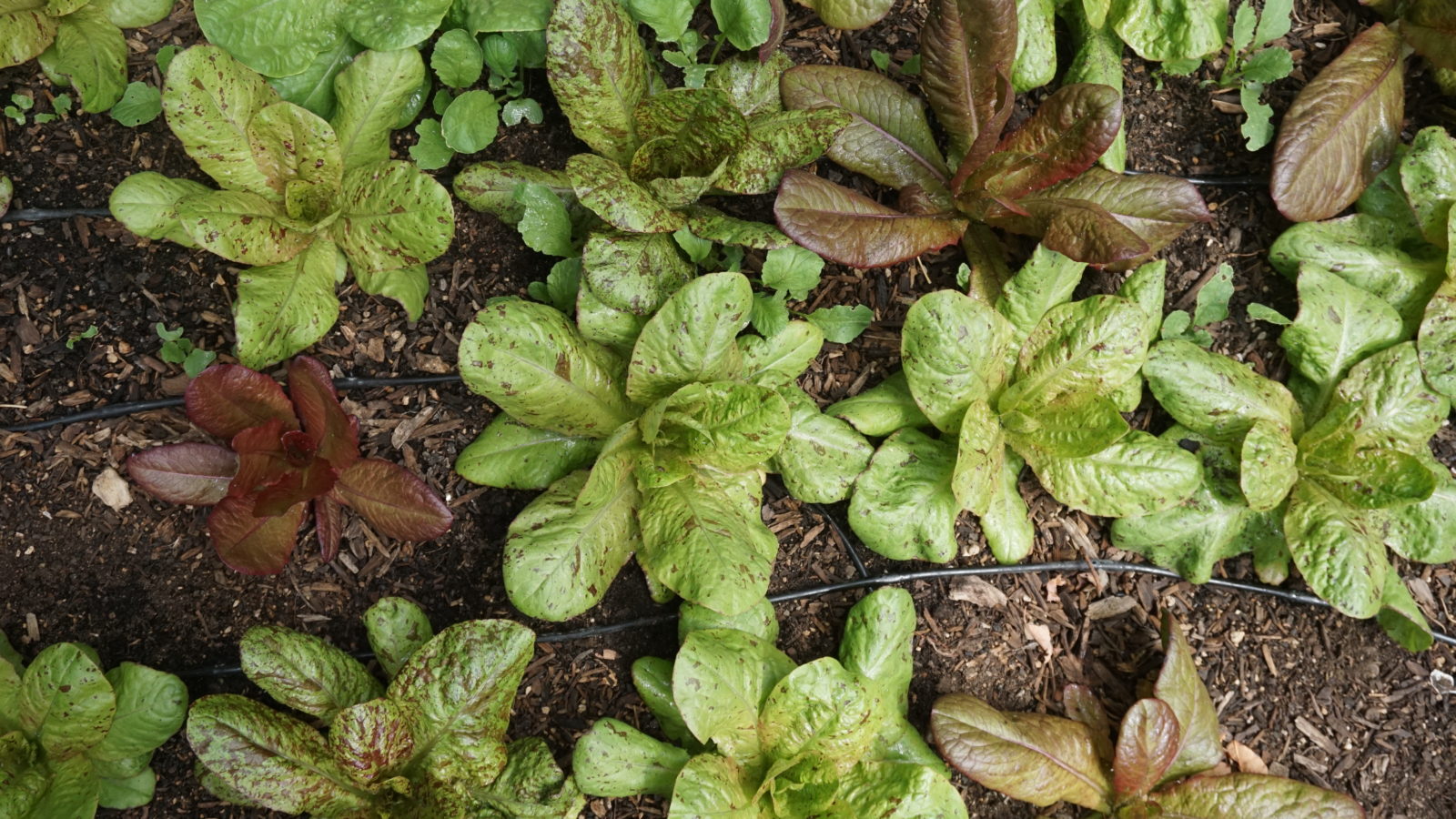
Chaffee County just celebrated Earth Day a couple weeks ago with a parade, river clean up, denim and shoe recycling, and community events in Riverside Park. Having participated in all of these fun activities, I have been reflecting on Earth Day and its relationship to food and local agriculture.
Earth Day is about celebrating our planet and all that she gives to us. It is a day to honor our environment, to pledge to take action against climate change, to give gratitude to Mother Nature. There are many, many ways that we can participate in this day of appreciation and action, and hopefully for the days to follow as well. One of the most immediate ways is to commit to eating a more local and sustainable diet. While there is no official definition of what makes a food “local”, to most, local foods are typically thought of as a food that was produced within 100 miles of the consumer.
As the snow is slowly starting to melt in the mountains and flow down to the valley, as the weather starts to warm and the winds start to whip, as little tiny green buds and sprouts start to push their way up through the soil to greet the shining sun, spring is here. Spring brings the growing season and accessibility to local foods as the cold, uninhabitable conditions of winter shift. Weekly farmers markets will begin again in Salida and Buena Vista in June, but even before that farms in the area will have fresh produce available for sale at their own stands (see our Food Access Map to find markets and farms selling local foods nearby). Things feel easier in the summer, and that includes obtaining fresh and local produce and foods.
Growing and purchasing food locally is better for the environment for fairly obvious reasons – traveling less distance from farm to plate, therefore requiring less fuel and emitting less emissions. If you look at any given piece of produce from your average chain grocery store you’ll probably find a sticker that identifies it as a product of Chile or China or Brazil, or some other far away land. Did you know that your typical item of food travels about 1500 miles before landing on a plate to be eaten (according to a study by Bastyr University)? Surprisingly, though, transportation emissions are not the worst culprit and do not account for the majority of emissions attributed to food and farming. Rather, most agricultural emissions are a result of the food production process. Foods produced on large-scale, commercial practicing farms and transported a long way are considered “industrially-produced foods”. Industrial farms tend to rely on heavy uses of synthetic fertilizers and pesticides, are water intensive, and practice mono-cropping, all methods that can have substantial damaging effects on the surrounding environment, contaminating soil and water, and emitting large concentrations of emissions of methane and nitrous oxide.
Smaller farms with a commitment to selling locally tend to utilize more sustainable methods of agriculture including intercropping, cover crops, no-till or low-till, and organic fertilizers. These methods tend to decrease water and energy use, and improve soil and water quality. Intercropping and cover cropping increases nutrient levels in soil and increases the soil’s capabilities to retain water. By buying our groceries locally, we as consumers support our local economy and help to keep our neighbors in the business of food production. This keeps the lands of Chaffee County in agricultural use, preserving green and natural spaces. Green spaces are beautiful to look at, improve air, soil, and water quality, and provide habitat for native wildlife and pollinators. Buying from and supporting local farms also creates a connection between us, as consumers, and the lands that surround us. When we bite into our dinner we can think about and picture the places that these foods were grown and produced. Eating foods grown locally helps us to better appreciate the beautiful and productive environment that we live in, and in turn motivates us to be better stewards of the land.
Make sure to check out our Food Access Map to find nearby places in Chaffee County that you can purchase locally produced foods.


 No time for gardening? We’ve got you covered!